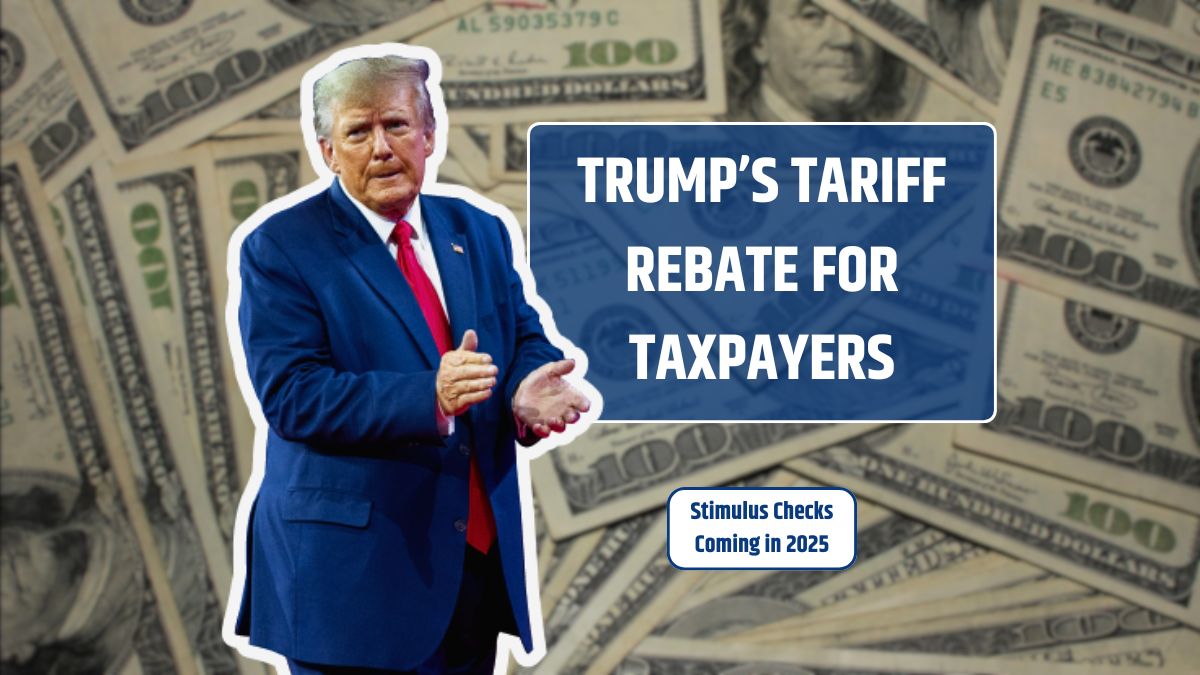
A fresh wave of economic support might be coming for American families in 2025. After President Donald Trump hinted at the idea of a rebate funded by growing tariff revenue, Missouri Senator Josh Hawley stepped in with a formal proposal. His new legislation, the American Worker Rebate Act of 2025, aims to send direct payments to millions of households—similar to the stimulus checks issued during the COVID-19 pandemic.
The idea gained momentum after Trump responded to a reporter on July 25, confirming that the administration was actively considering some kind of rebate plan. He noted that with significant revenue from tariffs rolling in, a portion could be returned to taxpayers, especially those within certain income brackets.
Proposal
The American Worker Rebate Act of 2025, introduced by Senator Hawley, outlines a simple but powerful benefit structure. Under this proposed legislation, qualifying Americans would receive:
- $600 per adult
- $600 per dependent child
- A family of four could get up to $2,400
This would be a one-time rebate check, and the amounts could increase depending on future tariff collections. The bill allows for larger rebates if revenue exceeds current estimates.
The rebate would start to phase out for:
- Single filers earning more than $75,000
- Joint filers earning above $150,000
Payments would be reduced by 5% for income above those thresholds, meaning high earners would receive a smaller rebate or none at all.
Revenue
The big question is: where’s this money coming from?
According to the U.S. Treasury Department, the government collected $27 billion in customs duties in June 2025 alone. That’s up from $23 billion in May and represents a 301% increase compared to the same time last year. On a yearly scale, the government has collected around $113 billion in tariffs—an 86% jump from 2024.

This sharp rise in tariff revenue is largely the result of the Trump administration’s new trade policies, which raised import taxes on goods coming into the country. Companies often pass these costs along to consumers, but the new rebate proposal would try to offset those higher prices for average American households.
Impact
While the rebate is being pitched as a way to help families absorb inflation and higher costs from tariffs, not everyone sees it as a net benefit. A report from The Budget Lab at Yale warned that households could still pay an average of $2,400 more per year due to higher prices on goods impacted by tariffs.
So while the proposed $600 per person rebate helps, it might not cover the full financial burden depending on your spending habits and family size. That said, for many, the check would provide welcome relief, especially during the holidays or times of rising prices.
Rebate vs Stimulus
It’s important to understand the difference between a rebate and a stimulus check. A rebate is a partial refund based on specific criteria, usually tied to a previous purchase or economic activity. Think of it as money given back to you after you’ve already spent or paid taxes.
A stimulus check, on the other hand, is a forward-facing payment. Its goal is to boost the economy by encouraging people to spend, invest, or pay off debt. While they may look the same in your bank account, the reasons and policies behind them are very different.
In this case, the American Worker Rebate Act would likely fall into the rebate category, because it’s intended as a refund from tariffs already collected.
What’s Next?
The bill is still in its early stages. It’s been introduced but has not yet passed Congress, and it remains unclear how quickly lawmakers will act. However, with the presidential election cycle heating up, it could gain political traction fast—especially if Americans see real cost-of-living increases from ongoing trade policies.
For now, keep an eye on updates from Congress and the Treasury. If the bill gains support, you could see a rebate check later in 2025.
FAQs
What is the American Worker Rebate Act?
A bill proposing $600+ rebate checks funded by tariff revenue.
Who qualifies for the $600 rebate?
Single earners under $75k, joint filers under $150k.
When could rebate checks go out?
If passed, likely late 2025 depending on Congress.
Is this a rebate or a stimulus check?
It’s a rebate, refunded from tariff revenue.
Will the rebate cover inflation costs?
It may help, but might not offset full tariff impact.