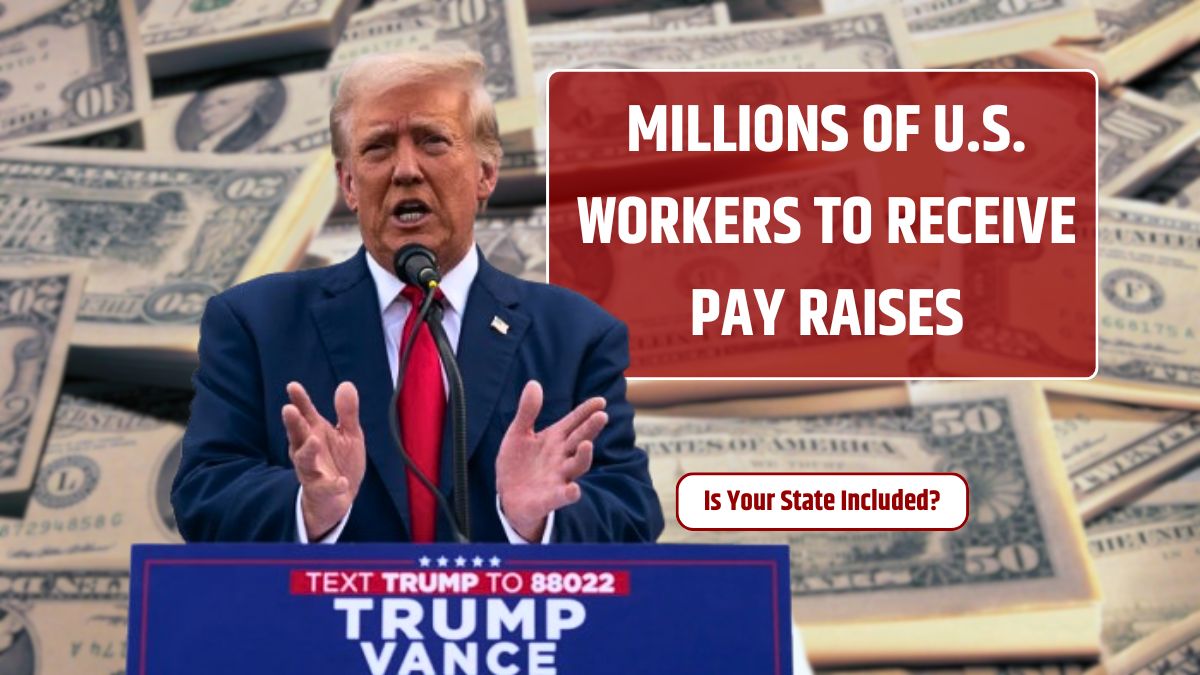
The year 2025 is bringing a much-needed pay raise to millions of workers across the United States. In response to inflation, rising living costs, and voter-driven policy changes, 21 states will see minimum wage increases. If you’re a worker wondering what your new paycheck will look like, or a business owner preparing for labor cost changes, this guide has all the key details.
Overview
More than 9.2 million workers are set to benefit from new wage hikes. These changes are expected to inject roughly 5.7 billion dollars into the economy, with some states making small inflation-based adjustments and others pushing minimum wages past 15 dollars an hour.
| Topic | Details |
|---|---|
| States raising wages | 21 states |
| Highest increase | Washington: 16.66 dollars/hour |
| Cities with highest wages | Tukwila, WA: 21.10 dollars/hour |
| Workers impacted | Over 9.2 million |
| Total added income | 5.7 billion dollars (2025 estimate) |
| Fast-food wage in CA | 20 dollars/hour minimum starting in 2025 |
| Smallest increase | Montana: 10.55 dollars/hour |
Which States Are Raising Wages?
Let’s break down the minimum wage increases across the 21 states:
| State | New Wage | Type of Increase |
|---|---|---|
| Alaska | 11.91 | Inflation adjustment |
| Arizona | 14.70 | Inflation adjustment |
| California | 16.50 | Legislative action |
| Colorado | 14.81 | Inflation adjustment |
| Connecticut | 16.35 | Inflation adjustment |
| Delaware | 15.00 | Legislative increase |
| Illinois | 15.00 | Legislative increase |
| Maine | 14.65 | Inflation adjustment |
| Massachusetts | 15.00 | Legislative increase |
| Michigan | 10.56 | Legislative increase |
| Minnesota | 11.13 | Inflation adjustment |
| Missouri | 13.75 | Ballot measure |
| Montana | 10.55 | Inflation adjustment |
| Nebraska | 13.50 | Ballot measure |
| New Jersey | 15.49 | Inflation adjustment |
| New Mexico | 13.50 | Legislative increase |
| New York | 15.50 | Legislative increase |
| Ohio | 10.70 | Inflation adjustment |
| Rhode Island | 15.00 | Legislative increase |
| South Dakota | 11.50 | Inflation adjustment |
| Vermont | 14.01 | Inflation adjustment |
| Virginia | 12.41 | Legislative increase |
| Washington | 16.66 | Inflation adjustment |
Why Are Wages Increasing?
Several key drivers are behind these wage hikes:
- Inflation-based adjustments automatically trigger increases in states like Arizona and Vermont.
- Legislative action in states such as California and Illinois sets pre-approved yearly wage hikes.
- Voter-approved ballot measures in states like Missouri and Nebraska demand higher minimum wages.
- Industry-specific increases, like California’s 20 dollar minimum wage for fast food workers, address sector-specific needs.
Worker Impact
For millions of employees, these increases mean more take-home pay and greater ability to keep up with rising costs. Higher wages can:
- Improve financial security
- Enhance worker morale and reduce turnover
- Increase access to better housing, healthcare, and education
- Encourage consumer spending in local economies
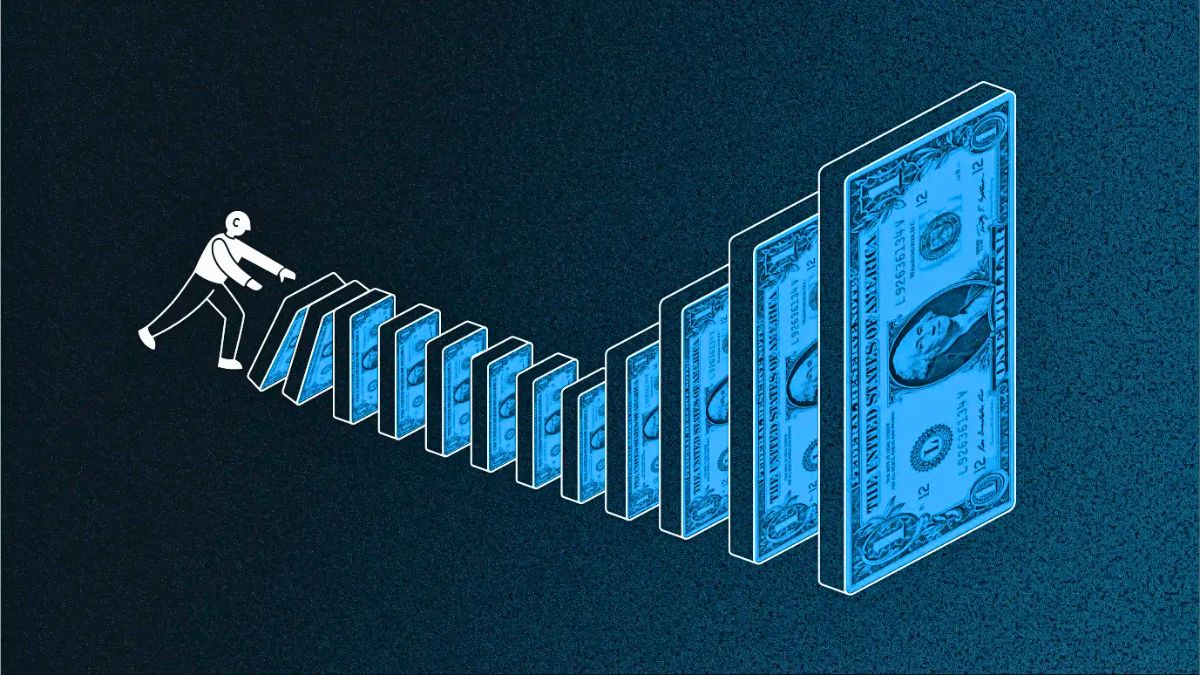
These changes may also create a domino effect, pushing up wages for workers earning just above the minimum level.
Employer Considerations
Business owners will need to respond quickly to new wage requirements. This might mean:
- Adjusting payroll systems and budgets
- Raising prices on products or services
- Exploring automation to maintain efficiency
- Training and retaining skilled workers
Staying informed is crucial to avoid penalties or compliance issues.
Federal Minimum Wage

Despite all these changes at the state level, the federal minimum wage remains at 7.25 dollars per hour—a rate that hasn’t changed since 2009. This gap continues to widen, fueling ongoing debates about whether federal lawmakers should step in and raise the national baseline.
For now, states are leading the way, creating a patchwork of wage levels across the country. If you’re earning minimum wage, where you live makes a major difference.
FAQs
Which state has the highest wage in 2025?
Washington at 16.66 dollars per hour.
How many states raised minimum wage?
21 states will increase wages in 2025.
What is the new fast food wage in California?
20 dollars per hour starting in 2025.
Why are wages increasing?
Due to inflation, legislation, and ballot measures.
Is the federal minimum wage changing?
No, it remains 7.25 dollars per hour since 2009.