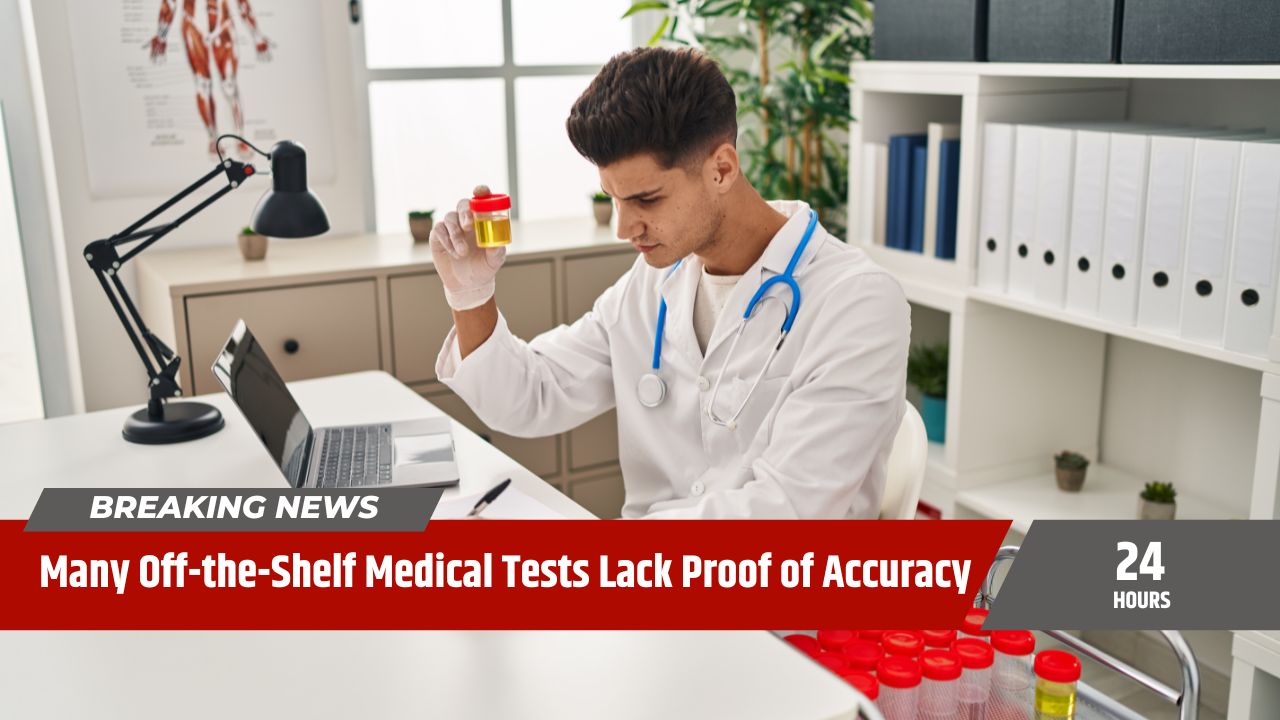
A new investigation into popular over-the-counter medical tests has raised serious concerns about their reliability, accuracy claims, and potential for harm. In a world where quick, at-home health checks are marketed as empowering and convenient, a study by researchers at the University of Birmingham suggests many of these products don’t live up to the hype—and may even do more harm than good.
What the Study Found
Researchers purchased 30 self-testing kits from mainstream retailers including pharmacies, supermarkets, and health stores. The tests were designed to detect:
- Vitamin deficiencies
- Blood cholesterol levels
- Menopause
- Bowel cancer

Of the 30 kits analyzed:
| Test Category | Number of Kits | Common Claims |
|---|---|---|
| Vitamin Deficiency | 8 | Detect nutritional imbalances |
| Blood Cholesterol | 7 | Monitor heart disease risk |
| Menopause | 7 | Identify hormone changes |
| Bowel Cancer | 8 | Early cancer screening |
While 24 tests made accuracy claims, nearly 60% promised 98% accuracy, a figure the researchers say is often unsupported or based on weak methodology.
Key Issues Identified
Lack of Evidence Behind Accuracy Claims
- Many tests cited comparisons with other non-standard tests, not gold-standard lab diagnostics.
- Most failed to disclose who was tested, under what conditions, or how accuracy was calculated.
High Rate of Errors
- 18 out of 30 tests (60%) had flaws likely to cause incorrect results.
- 11 had equipment issues
- 10 had sampling problems
- 15 had unclear or incorrect instructions
Potential for Harm
- False positives could trigger anxiety, unnecessary medical procedures, or overtreatment.
- False negatives might give a false sense of security, leading to delays in diagnosis or care.
Why This Matters
Unlike prescription medications, these self-tests do not undergo the same rigorous scrutiny. They’re often classified under general health products, meaning less regulatory oversight and more room for misleading claims.

“We are worried that consumers concerned about their health and tempted by the convenience of buying a test over the counter may be harmed,” said Dr. Clare Davenport, co-author of the study.
Professor Jon Deeks added that many kits advise users to consult a doctor regardless of the result, raising the question—why take the test in the first place?
Not All Self-Tests Are Created Equal
Experts caution against dismissing all self-tests outright. For example:
- Pregnancy tests are highly accurate, regulated, and straightforward.
- HIV self-tests have undergone decades of evaluation and offer clear, binary results that are part of an integrated care system.

“What sets these apart,” wrote Dr. Jessica Watson and Dr. Margaret McCartney in a BMJ editorial, “is that they are backed by evidence, clinical guidance, and follow-up protocols.”
The Call for Better Regulation
Researchers and experts are now urging for:
- Clearer accuracy disclosures
- Standardized testing and validation methods
- Stronger regulation and oversight
- Consumer education on interpreting results properly
As Professor Kevin McConway of The Open University summarized:
“It’s scary and concerning… Many of the tests don’t make it clear how they should be used, how reliable they are, or what a person should do next.”
FAQs
Are all at-home medical tests unreliable?
No. Tests like pregnancy and HIV kits have proven reliability. The concern is mainly with multi-step diagnostic kits that lack regulatory validation.
Why do some tests still recommend seeing a doctor?
This is often a legal safety net for the manufacturer. But it may render the test redundant or confusing.
Can a faulty result lead to harm?
Yes. Both false positives and false negatives can result in emotional distress, delayed care, or inappropriate treatment.