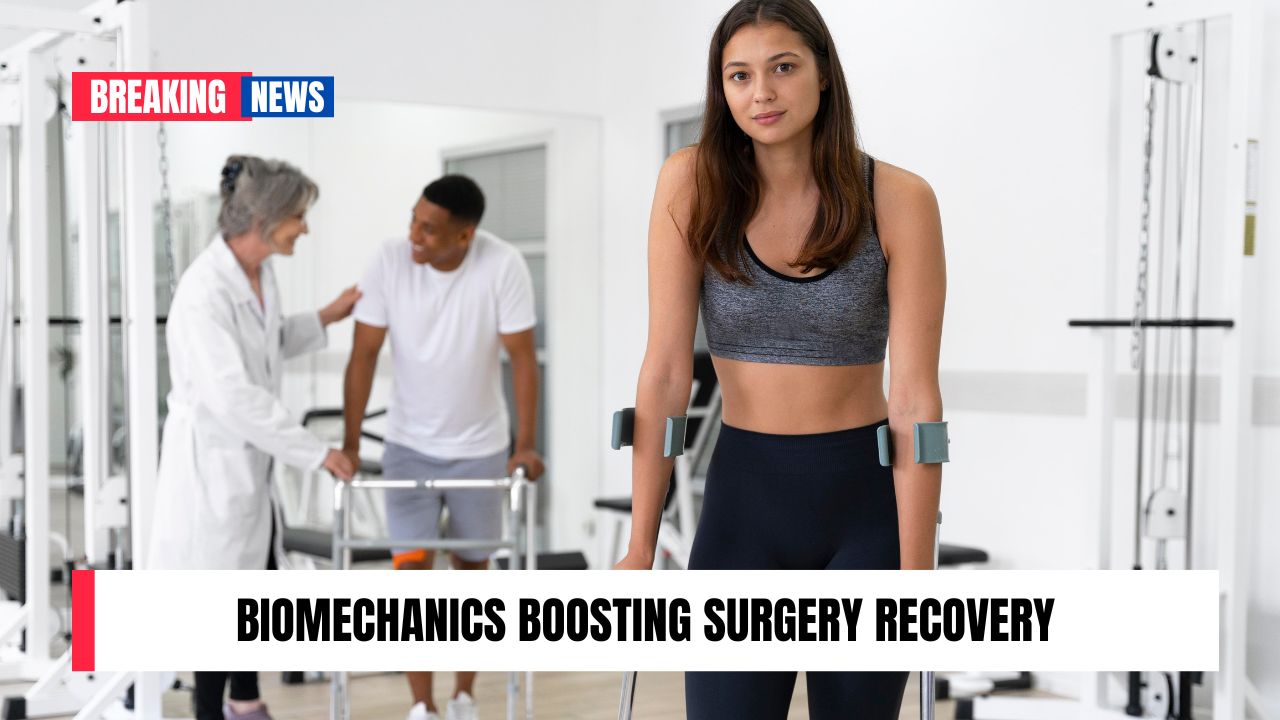
Recovering from surgery—especially orthopedic or neurological procedures—can be a long and challenging journey. But thanks to breakthroughs in biomechanics, post-surgery recovery is becoming faster, safer, and more personalized. By studying the mechanics of human movement, biomechanics helps doctors and physical therapists understand how the body responds to surgery and how to optimize healing.
Here are five powerful ways biomechanics is improving post-surgical recovery for patients of all ages.
1. Personalized Rehabilitation Plans

No two patients move the same way, and biomechanics makes it possible to tailor recovery programs to the individual’s movement patterns. Using tools like 3D motion capture, gait analysis, and wearable sensors, therapists can assess how a patient walks, bends, or bears weight after surgery.
This data-driven approach allows for:
- Early detection of compensation patterns (e.g., limping after a knee replacement)
- Customized exercises targeting weak or overused muscles
- Progress tracking to adjust rehab as needed
By personalizing rehab, patients avoid overexertion and recover more efficiently.
2. Better Joint Replacement Outcomes

Joint replacements—such as hip, knee, or shoulder surgeries—require the body to relearn proper movement. Biomechanics plays a crucial role in:
- Designing implants that mimic natural joint motion
- Assessing alignment and load distribution during rehab
- Ensuring balanced muscle engagement
For example, after a knee replacement, improper alignment can lead to future pain or implant failure. Biomechanical analysis ensures that the joint moves symmetrically and supports full function.
3. Preventing Re-Injury
After surgery, patients often develop compensatory movement patterns to avoid pain. Over time, this can lead to stress on other joints or muscles. Biomechanical monitoring helps identify these issues early and correct them through targeted interventions.

Common benefits include:
- Reducing the risk of back or hip pain after knee or foot surgery
- Avoiding tendon strain or inflammation due to poor gait
- Promoting safe return to activities like walking, lifting, or climbing stairs
4. Use of Assistive Technologies and Robotics
Biomechanics is the backbone of modern rehabilitation robotics and exoskeletons, which assist patients in regaining movement. These devices use sensors and real-time biomechanical feedback to:
- Guide limbs through natural movement patterns
- Reduce the physical strain during early rehab
- Provide repetition and support during gait training
This is especially helpful for stroke survivors or patients recovering from spinal surgery, as the devices promote neuroplasticity and faster motor relearning.
5. Objective Progress Tracking
Instead of relying solely on pain levels or therapist judgment, biomechanics provides quantitative data to monitor recovery milestones. This includes:
- Range of motion measurements
- Joint torque and muscle force output
- Stride length, step symmetry, and balance metrics
Patients and clinicians can visualize improvement over time, which boosts motivation and ensures treatments are working. It also helps determine when a patient is truly ready to return to daily life or sports.
Table: Biomechanics in Action After Surgery
| Application Area | Biomechanics Contribution | Benefit |
|---|---|---|
| Rehabilitation Planning | Movement analysis, custom exercise design | Faster, personalized recovery |
| Joint Replacement | Implant alignment, load tracking | Improved outcomes, reduced wear |
| Injury Prevention | Detects abnormal compensation patterns | Reduces risk of new injuries |
| Robotic Rehab | Guides natural movement with real-time feedback | Aids patients with limited motion |
| Recovery Monitoring | Data on motion, force, symmetry | Objective tracking and adjustment |
Biomechanics is transforming post-surgery recovery from a one-size-fits-all process to a precise, personalized experience. By analyzing how the body moves and responds after surgery, clinicians can create smarter rehabilitation plans, avoid setbacks, and help patients return to their normal lives faster and stronger.
FAQs
Can biomechanics help with all types of surgeries?
Primarily used in orthopedic and neurological recovery, but its principles apply to any surgery that impacts movement, balance, or muscle function.
Do I need special equipment to benefit from biomechanics?
Not always. Some clinics use advanced tech, but basic gait or movement assessments by trained therapists also apply biomechanical principles.
Is biomechanical recovery only for athletes?
No. It’s used in hospitals and rehab centers for patients of all ages, from joint replacement recipients to stroke survivors.