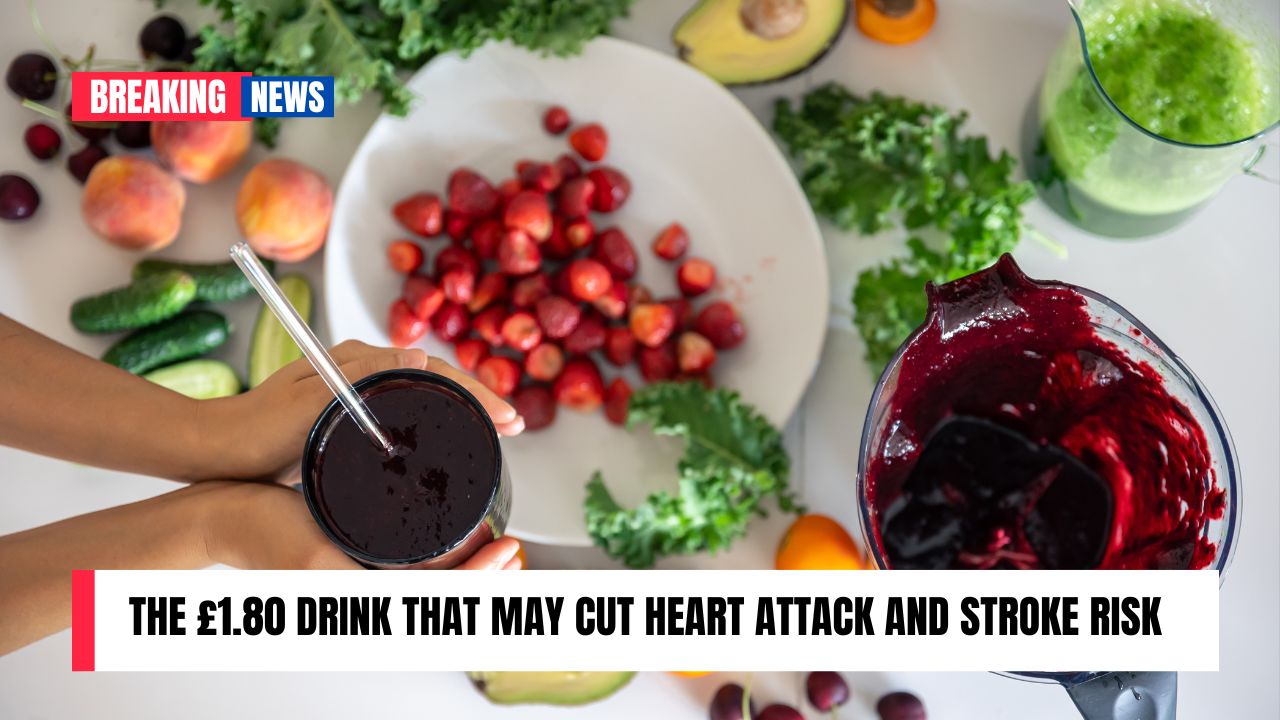
High blood pressure, or hypertension, affects about one in three adults in the UK—and it’s a major risk factor for heart disease, strokes, and dementia. While medication is often prescribed, research is increasingly showing that diet and lifestyle changes can be just as powerful. One surprising ally? Beetroot juice.
Recent findings from the University of Exeter have highlighted how nitrate-rich vegetables can influence the body’s microbiome and blood pressure, especially in older adults. Let’s explore what this means—and how biomechanical habits like exercise and posture also play a critical role in managing hypertension.
How Beetroot Juice Supports Lower Blood Pressure

Beetroot juice is naturally high in nitrates, compounds that convert to nitric oxide in the body. Nitric oxide is vital for:
- Relaxing blood vessels
- Improving circulation
- Reducing arterial pressure
The Study at a Glance:
- Participants: 75 individuals (39 under-30s and 36 aged 60–70)
- Treatment: Two concentrated beetroot juice shots daily (equal to ~1 pint of juice)
- Duration: 2 weeks
- Result: Older adults saw a significant reduction in blood pressure
Interestingly, the juice had little impact on younger adults—likely because their bodies naturally produce more nitric oxide.
The Microbiome Connection
This isn’t just about nitrates. The study also found that beetroot juice improved the balance of oral bacteria, increasing beneficial strains like Neisseria and reducing harmful ones like Prevotella. This microbial shift:
- Boosted nitric oxide availability
- Supported better blood vessel function
- Contributed to the drop in blood pressure

This reinforces growing evidence that oral and gut health significantly influence cardiovascular wellness.
Nitrate-Rich Alternatives to Beetroot
If beetroot isn’t your thing, you’ve got options. Other vegetables high in dietary nitrates include:
| Vegetable | Nitrate Content (mg/100g) |
|---|---|
| Rocket (Arugula) | 480 |
| Spinach | 300–400 |
| Fennel | 280 |
| Celery | 250 |
| Kale | 200 |
Incorporating these foods into your daily meals may offer similar benefits over time.
Lifestyle Tips That Support Healthy Blood Pressure

Beyond diet, biomechanical factors—how you move, breathe, and manage physical stress—also influence hypertension risk.
Exercise and Movement
- 150 minutes per week of moderate exercise is the standard recommendation
- Isometric exercises like wall sits and planks are especially effective for lowering blood pressure
- Even daily walking helps improve blood vessel elasticity
Reduce Salt Intake
- Aim for less than 6g of salt per day (~1 tsp)
- Consider potassium-based salt substitutes, which lower sodium levels and support vascular health
Manage Weight and Stress
- Excess body weight forces your heart to work harder
- Incorporating physical activity and mindful eating helps manage both weight and blood pressure
Quit Smoking and Limit Alcohol
- Smoking increases vascular stiffness and risk of clot formation
- Keep alcohol consumption under 14 units per week for heart health
Rethink Caffeine
- Caffeine may cause short-term spikes in blood pressure
- Consider cutting back if you’re sensitive or already hypertensive
The Importance of Regular Monitoring
High blood pressure is known as a “silent killer” because it often shows no symptoms. That’s why:
- All adults over 40 should get their blood pressure checked at least every five years
- Early detection allows for lifestyle changes before medication becomes necessary
FAQs
Can beetroot juice replace blood pressure medication?
Not necessarily. It’s a helpful supplement, but you should never stop prescribed medication without consulting your doctor.
How fast can diet changes reduce blood pressure?
Some effects, like those seen in the beetroot study, appear in as little as two weeks. Others may take several months.
Is brushing or mouthwash bad for oral nitrate bacteria?
Yes, antibacterial mouthwashes may kill beneficial oral bacteria that help convert nitrate to nitric oxide. Use with caution.