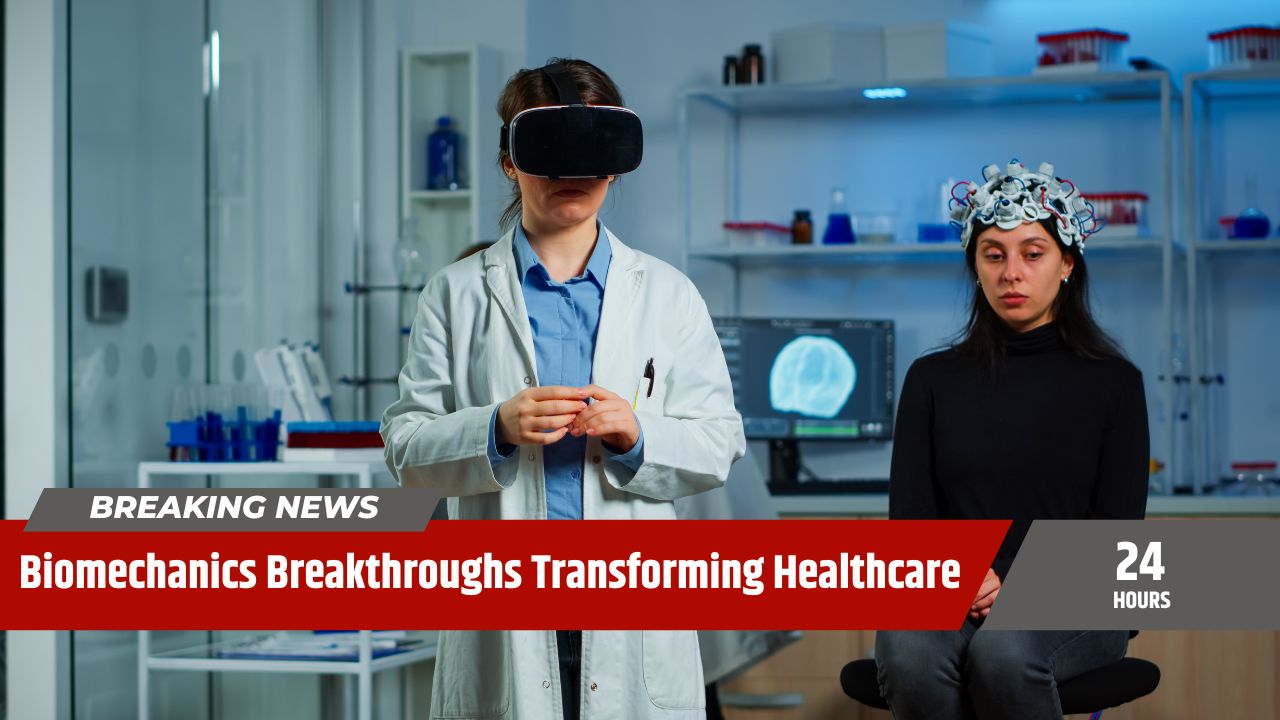
Biomechanics has revolutionized modern medicine in profound ways, helping clinicians better understand the human body, diagnose conditions, and design treatments that enhance quality of life. By combining engineering principles with biological systems, biomechanical innovations have driven breakthroughs in surgery, rehabilitation, prosthetics, and diagnostics. Here’s a look at the top 10 biomechanics innovations that have transformed healthcare.
1. Artificial Joints and Joint Replacements
One of the most impactful applications of biomechanics is the development of artificial joints, such as hip and knee replacements. These devices mimic natural joint motion and distribute loads to restore mobility, reduce pain, and improve life for millions suffering from arthritis or injury. Biomechanics research ensures that these implants are designed for durability and optimal fit.
2. Advanced Prosthetics

Modern prosthetic limbs have evolved from simple mechanical aids to bionic devices that replicate the motion and function of real limbs. Innovations in myoelectric control and biomechanical modeling allow for natural movement, better balance, and improved coordination—dramatically changing the lives of amputees.
3. Motion Capture and Gait Analysis
3D motion capture systems combined with force plates and sensors help analyze a patient’s gait and posture in real time. These tools are used to detect movement disorders, design personalized rehab plans, and monitor surgical recovery. It’s widely used in orthopedics, neurology, and sports medicine.
4. Spinal Implants and Biomechanical Spine Modeling
For patients with spinal injuries or degenerative diseases, biomechanically-engineered spinal implants restore stability and function. Computer modeling of spinal biomechanics also helps surgeons simulate the effects of surgeries like spinal fusion or disc replacement before the procedure.
5. Orthotic Devices

Biomechanics-based orthotics are customized inserts or braces that correct gait abnormalities, align joints, and relieve pressure. These devices have become essential for treating conditions like plantar fasciitis, scoliosis, and diabetic foot ulcers.
6. Biomechanical Heart Valve Design
Artificial heart valves are life-saving innovations that rely heavily on biomechanics. The valve must open and close thousands of times a day while withstanding blood pressure forces. Engineers simulate these loads to create valves that mimic natural blood flow and last for decades.
7. Rehabilitation Robotics
Exoskeletons and robotic rehabilitation devices use biomechanical feedback to help patients regain movement after a stroke, spinal injury, or surgery. These systems monitor body motion and guide limbs through natural movement patterns, speeding up the recovery process.
8. Tissue Engineering and Biomechanics

Biomechanics has been key to developing engineered tissues such as artificial cartilage and tendons. These materials are designed to mimic the mechanical properties of natural tissue and are used in regenerative medicine and reconstructive surgeries.
9. Surgical Navigation and Preoperative Planning
Advanced imaging and biomechanical modeling software now allow surgeons to simulate surgeries virtually. This planning reduces risk, shortens recovery times, and increases precision—especially in complex joint replacements or spine surgeries.
10. Wearable Biomechanics Devices
Wearable technologies such as smart insoles, motion sensors, and muscle monitors track biomechanical data in real time. They’re used to monitor patients remotely, detect early signs of injury or disease, and personalize treatments in physical therapy and sports rehab.
Table: Impact of Biomechanics Innovations in Medicine
| Innovation | Medical Application | Benefit |
|---|---|---|
| Artificial joints | Joint replacement surgery | Restores mobility, reduces pain |
| Advanced prosthetics | Amputee rehabilitation | Restores limb function |
| Motion analysis | Gait disorders, rehab planning | Personalized diagnosis |
| Spinal implants | Spine injuries, scoliosis | Stability and pain relief |
| Orthotics | Foot, joint, and posture issues | Corrects alignment |
| Heart valve design | Cardiovascular surgery | Long-lasting valve function |
| Rehab robotics | Stroke and injury recovery | Aids movement, speeds recovery |
| Tissue engineering | Cartilage, tendon repair | Promotes regeneration |
| Surgical modeling | Orthopedic, spinal, and joint surgery | Enhances precision |
| Wearable biomechanics | Remote monitoring, physical therapy | Tracks movement in real-time |
These innovations underscore how biomechanics has shifted from theoretical science to a cornerstone of modern medicine. By improving diagnostics, treatment, and rehabilitation, biomechanics continues to enhance both the efficiency and effectiveness of healthcare delivery.
FAQs
How has biomechanics improved prosthetics?
Biomechanics enables prosthetic limbs to closely replicate human movement, using sensors and actuators that respond to muscle signals or body position.
Are wearable biomechanics devices used in hospitals?
Yes. They’re increasingly used in both clinical and outpatient settings for remote patient monitoring, gait assessment, and rehabilitation tracking.
Can biomechanics help prevent surgery?
Absolutely. Through motion analysis and early intervention using orthotics or physical therapy, biomechanics can sometimes delay or prevent the need for surgery.
What’s the future of biomechanics in medicine?
Expect more integration with AI, 3D printing of organs and tissues, and personalized implants based on each patient’s biomechanics.